
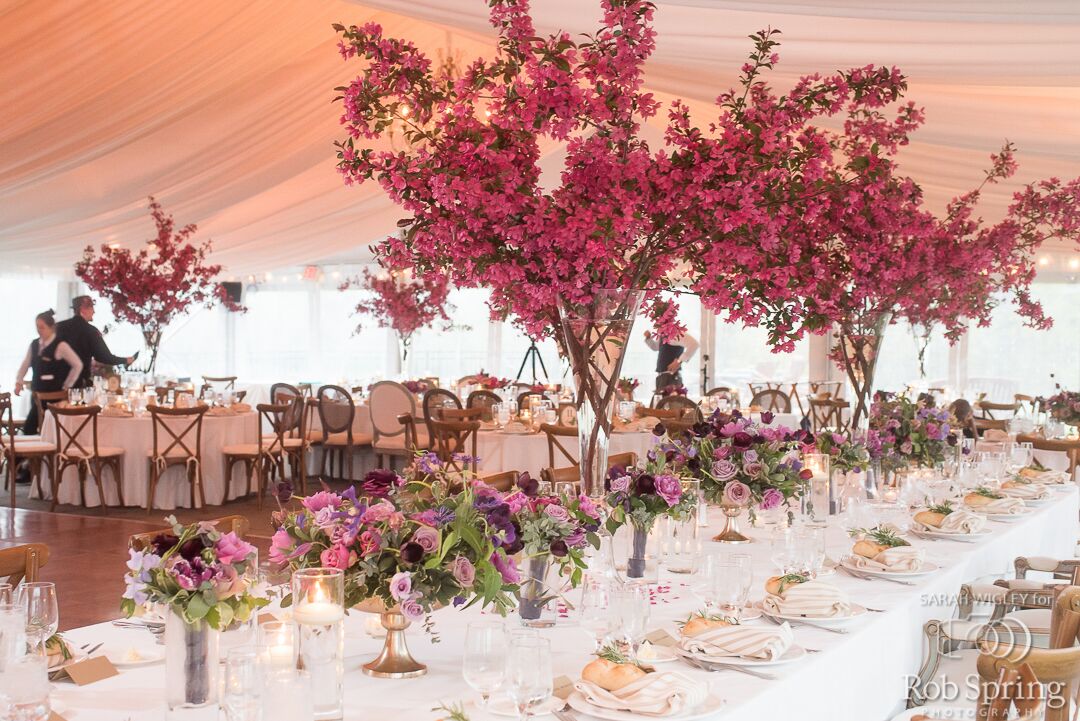
Plated Dinner vs. Buffet: 7 Things to Consider for Your Wedding
Which Catering Style Works Best for Your Wedding Venue?
Choosing how to serve dinner at your wedding affects more than the menu. It influences the atmosphere, guest experience, reception timeline, and overall catering budget.
When comparing a plated dinner vs buffet, couples often wonder which option is more elegant, affordable, convenient, and enjoyable for their guests. Both can create an exceptional dining experience, but they offer different advantages.
Whether you’re planning an intimate celebration or a larger Saratoga Springs wedding reception, understanding these seven considerations can help you select the right dining format
1. Understand the Difference Between a Plated Dinner and a Buffet
The fundamental difference between a plated dinner vs buffet is how guests receive their meals.
A plated wedding dinner is served directly to guests at their tables. Typically, attendees select an entrée in advance or receive a predetermined menu, while professional servers coordinate the meal.
A wedding buffet allows guests to visit designated food stations and select from available dishes. Depending on the arrangement, catering staff may assist with portions, replenishment, and presentation.
Neither approach is inherently better. The right choice depends on the experience you want to create.
2. Consider the Atmosphere of Your Wedding Reception
The plated dinner vs buffet decision can influence the overall mood of your celebration.
Plated service traditionally complements formal weddings. Guests remain seated while courses are presented, creating a structured dining experience with minimal interruptions.
Buffet service often encourages a more relaxed atmosphere. Guests can choose their preferred dishes and enjoy greater flexibility in meal selection.
However, a buffet doesn’t have to feel casual. Elegant displays, professional attendants, thoughtfully arranged stations, and refined cuisine can create a sophisticated presentation.
At Heritage at Saratoga National, the venue’s elegant clubhouse and scenic surroundings provide a setting suited to different reception styles.
3. Evaluate Wedding Catering Costs and Your Budget
Is a plated dinner vs buffet more affordable?
The answer depends on your menu, guest count, staffing requirements, and service arrangements.
Plated meals generally require coordinated table service, which can influence staffing costs. However, predetermined portions may make food quantities easier to estimate.
Buffets may offer flexibility in menu selection, but they can require additional food preparation, service stations, attendants, and equipment.
When comparing wedding catering costs, request detailed proposals that account for:
- Menu selections and ingredient costs
- Service staff and culinary attendants
- Equipment, rentals, and table settings
- Taxes, service charges, and other applicable fees
- Dietary accommodations and specialty requests
Rather than assuming one format costs less, compare complete proposals based on the same guest count and similar menu quality.
4. Think About Guest Comfort and Accessibility
Guest experience is an important consideration when evaluating a plated dinner vs buffet.
Plated service allows guests to remain comfortably seated throughout dinner. This can be especially convenient for older relatives, individuals with mobility limitations, and guests who prefer a more structured experience.
Buffets give attendees greater control over food choices and portion sizes. However, guests may need to wait in line or move between stations.
For larger receptions, multiple buffet stations or carefully scheduled table releases can help reduce congestion.
Before selecting a format, consider your guests’ mobility, seating arrangements, and overall comfort.
5. Plan for Dietary Restrictions and Menu Preferences
A plated dinner vs buffet comparison should also account for dietary needs.
Plated menus can simplify the distribution of preselected vegetarian, vegan, gluten-free, or allergy-sensitive meals when requirements are communicated in advance.
Buffets may provide a broader selection of dishes, but clear labeling and careful handling are essential.
For guests with food allergies, separate preparation and service procedures may be necessary to reduce cross-contact risks.
When planning your wedding reception menu, discuss dietary restrictions directly with your catering team. Never assume that a buffet item is suitable for someone with an allergy simply because it appears to contain acceptable ingredients.
Heritage works with Mazzone Hospitality for wedding catering, offering couples opportunities to discuss menu customization and individual preferences.
6. Consider Your Wedding Reception Timeline
Timing can make a substantial difference in the plated dinner vs buffet decision.
Plated service typically follows a coordinated schedule, allowing the catering team to manage courses alongside speeches, toasts, and other reception activities.
Buffets can offer flexibility, but the time required for guests to move through food stations must be considered.
For example, a reception with 150 guests may require staggered table releases or multiple service points to keep dinner moving efficiently.
Discuss your proposed wedding timeline with the venue before finalizing the meal format.
An experienced event team can help coordinate dinner service with entertainment, photography, and other important moments.
7. Choose a Service Style That Fits Your Venue and Guest Count
The final consideration when comparing a plated dinner vs buffet is how the dining format works within your venue.
Room layout, table arrangements, available service areas, and guest count all influence the experience.
A buffet requires sufficient space for food displays and guest movement. Plated dining requires clear pathways for servers and efficient access to tables.
At Saratoga National Golf Club in Saratoga Springs, NY, the ballroom accommodates up to 200 guests for a seated wedding dinner with dancing.
Couples can discuss available layouts, menu options, and service arrangements with the event planning team to determine what best suits their celebration.
Making the Right Wedding Catering Decision
Ultimately, the plated dinner vs buffet decision comes down to your priorities.
Choose plated service if you prefer a structured dining experience, coordinated courses, and traditional table service.
Consider buffet service if you value menu variety, guest choice, and a more flexible dining atmosphere.
Both formats can deliver excellent cuisine and memorable hospitality when supported by thoughtful planning and professional execution.
At Heritage at Saratoga National, couples can explore wedding catering options with Mazzone Hospitality while enjoying the distinctive setting of Saratoga National Golf Club.
Ready to plan your wedding celebration?
Explore our wedding services or contact our event team to discuss your reception, guest count, and catering preferences.
Plan Your Event
Ready to get started or have questions?
Connect with us today!
Frequently Asked Questions
-
Not necessarily. A plated dinner may involve more table-service staffing, while a buffet may require additional food quantities, equipment, and serving stations. The final cost depends on the menu, number of guests, staffing, and service requirements. Request comparable catering proposals before deciding.
-
Yes. A professionally presented buffet can be an elegant choice for a formal wedding. Attractive food displays, attentive attendants, coordinated table releases, and high-quality cuisine can create a sophisticated dining experience while allowing guests greater flexibility.
-
Both can work well for 150 guests. Plated service provides a coordinated dining schedule, while a buffet may require multiple stations or staggered table releases. The best choice depends on the venue layout, available staffing, reception timeline, and preferred atmosphere.
-
Yes. Both plated dinners and buffets can accommodate dietary requirements when planned appropriately. Plated service allows special meals to be prepared for specific guests, while buffets can offer clearly identified selections. Food allergies should always be discussed directly with the catering team.
-
Yes, some wedding catering arrangements combine service formats. For example, couples might offer passed hors d’oeuvres during cocktail hour, a plated main course, and a dessert station. Available combinations depend on the venue, catering arrangements, staffing, and menu selections.


